
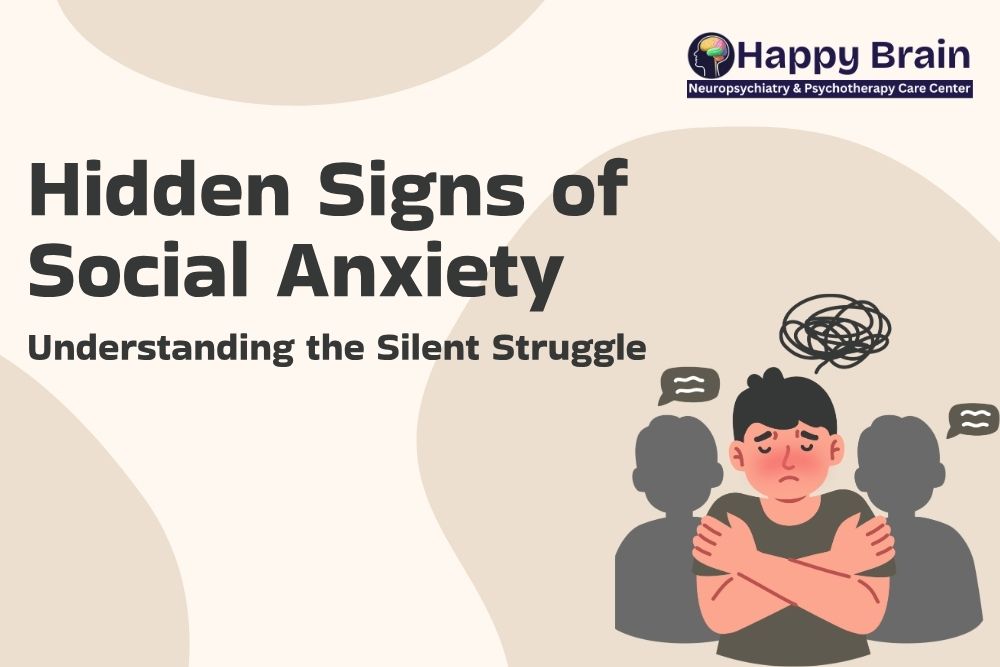
Social anxiety is more than just being shy or introverted. It is a common mental health condition that can affect a person’s confidence, relationships, work performance, and daily life. Many people living with social anxiety appear calm on the outside while silently battling fear, overthinking, and emotional exhaustion within. Recognizing the hidden signs of social anxiety is the first step toward understanding and support.
Social Anxiety Disorder is a condition where a person experiences intense fear or discomfort in social situations. They often worry about being judged, embarrassed, or negatively evaluated by others. This fear can make simple interactions feel overwhelming and stressful.
While some symptoms are visible, many signs of social anxiety remain hidden and misunderstood.
People with social anxiety often replay conversations repeatedly in their minds. They may analyze every word they said and worry about whether they sounded awkward, rude, or embarrassing.
Many individuals feel unable to relax or express their true personality in social settings. Fear of judgment may cause them to constantly monitor their behavior and speech.
Even enjoyable social events can leave someone emotionally exhausted. The mental effort of managing anxiety, overthinking, and appearing “normal” can be overwhelming.
People with social anxiety may avoid speaking in groups, attending gatherings, making phone calls, or participating in meetings because they fear becoming the center of attention.
Some individuals mentally rehearse what they will say before entering social situations. They may carefully plan responses to avoid awkward moments or criticism.
Untreated social anxiety can impact emotional well-being, relationships, education, and career growth. It may lead to isolation, low self-esteem, stress, and even depression. Many people struggle silently because they fear others will misunderstand their condition.
The good news is that social anxiety is treatable. With professional mental health support, therapy, and coping strategies, individuals can learn to manage anxiety and build confidence.
Support and empathy can make a significant difference in someone’s healing journey.
Social anxiety is real, valid, and more common than many people realize. The hidden signs often go unnoticed because individuals become skilled at masking their struggles. By spreading awareness and understanding mental health conditions like social anxiety, we can create a more compassionate and supportive environment for everyone.
At Happy Brain – Neuropsychiatry & Psychotherapy Care Center, we believe that no one should suffer in silence. Early recognition, therapy, and emotional support can help individuals regain confidence and improve their quality of life.