
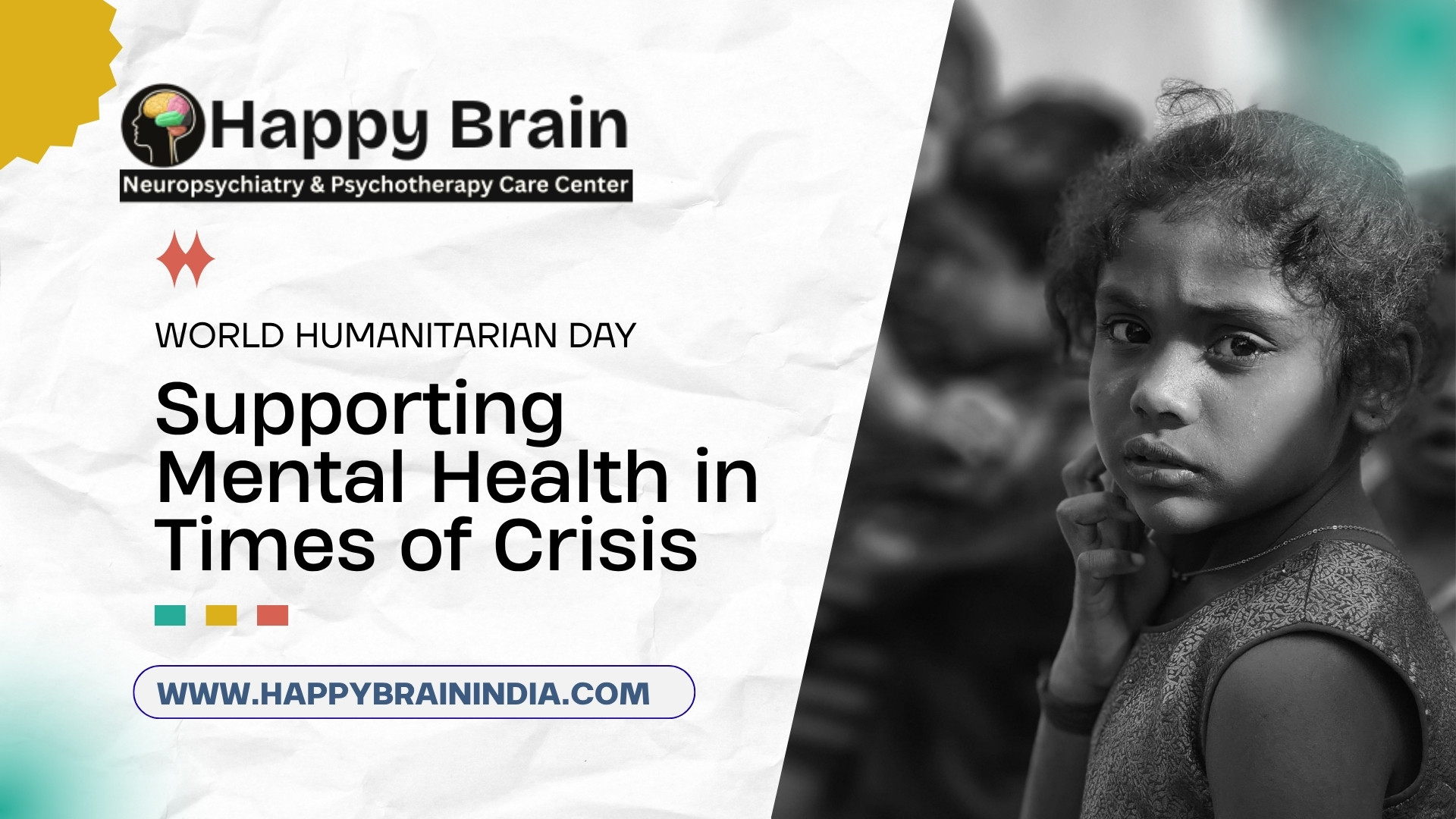
World Humanitarian Day, observed every year on 19 August, is a time to recognize humanitarian workers and communities working to protect lives, dignity, and wellbeing during crises. While humanitarian assistance often focuses on food, shelter, healthcare, and safety, mental health support is equally important, especially for people experiencing conflict, displacement, disasters, violence, or loss.
Emergencies can have a profound effect on psychological wellbeing. People exposed to traumatic or stressful situations may experience anxiety, depression, post-traumatic stress, sleep difficulties, grief, fear, irritability, and emotional exhaustion. Children and adolescents may also show behavioural changes, difficulty concentrating, withdrawal, or problems at school.
For displaced families, uncertainty about the future, separation from loved ones, financial difficulties, and loss of familiar surroundings can further increase emotional distress. These reactions are understandable responses to extraordinary circumstances and should not be dismissed or stigmatized.
Mental health care during humanitarian emergencies can help individuals regain a sense of safety, stability, and control. Psychological first aid, counselling, trauma-informed therapy, community support, and appropriate psychiatric care can provide valuable assistance.
Importantly, humanitarian mental health support is not only about treating disorders. It is also about listening, providing emotional support, strengthening resilience, maintaining social connections, and helping people rebuild their lives.
Humanitarian workers themselves can experience significant psychological pressure. Working long hours in difficult environments, witnessing suffering, managing emergencies, and being separated from family can contribute to stress, burnout, compassion fatigue, and trauma.
Organizations should therefore prioritize the mental wellbeing of their teams through adequate rest, peer support, confidential counselling, psychological services, and healthy working environments. Caring for those who help others is an essential part of humanitarian work.
Mental health support does not always begin in a clinic. Families, friends, teachers, community leaders, and volunteers can play an important role by listening without judgment and helping people access professional support when necessary.
This World Humanitarian Day, let us remember that humanitarian care means caring for the whole person—both physical and psychological. Every individual deserves dignity, compassion, safety, and access to mental health support during difficult times.
At Happy Brain India – Neuropsychiatry & Psychotherapy Care Center, we believe that mental health deserves attention at every stage of life, particularly when people are facing overwhelming circumstances.
Let’s create a world where helping people heal also means helping their minds heal.