
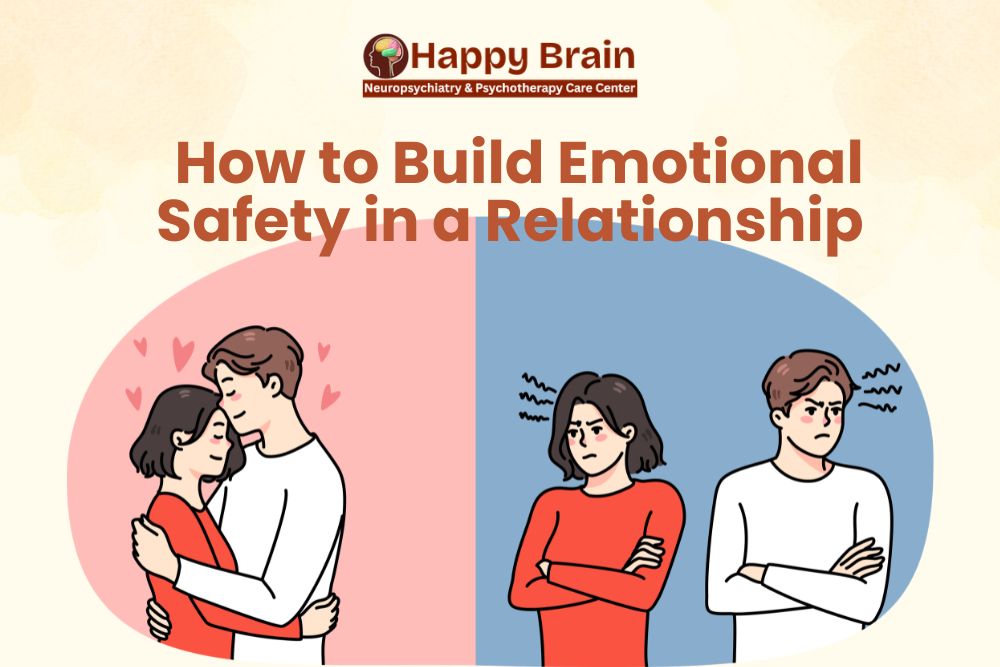
Relationships thrive when both partners feel secure, respected, and understood. While love and attraction are important, emotional safety is often the foundation of a healthy and lasting relationship. Without emotional safety, communication becomes difficult, trust weakens, and conflicts can feel overwhelming.
In this blog, we’ll explore what emotional safety means, why it matters, and practical ways to build emotional safety in your relationship.
Emotional safety is the feeling that you can openly express your thoughts, emotions, fears, and needs without being judged, criticized, ignored, or rejected. It allows both partners to be authentic and vulnerable while feeling accepted and supported.
When emotional safety exists, couples are more likely to communicate effectively, resolve conflicts peacefully, and maintain a deeper emotional connection.
A relationship lacking emotional safety often leads to misunderstandings, resentment, and emotional distance. On the other hand, emotionally safe relationships offer several benefits:
Feeling emotionally safe helps both partners grow individually and together.
You may have emotional safety in your relationship if:
One of the most powerful ways to build emotional safety is to truly listen. Avoid interrupting or planning your response while your partner is speaking. Instead, focus on understanding their perspective.
Simple phrases like “I understand how you feel” or “Tell me more about that” can make your partner feel heard and valued.
Healthy communication involves expressing thoughts and concerns without criticism, blame, or sarcasm. Use “I” statements instead of accusations.
For example:
❌ “You never listen to me.”
✅ “I feel unheard when I’m interrupted.”
Respectful communication reduces defensiveness and promotes understanding.
Validation does not mean agreeing with everything your partner says. It means acknowledging that their feelings are real and important.
When emotions are validated, people feel accepted rather than dismissed.
Trust grows when actions match words. Keeping promises, being honest, and showing reliability create a sense of security in the relationship.
Small, consistent actions often build trust more effectively than grand gestures.
Every individual has emotional and personal boundaries. Respecting those boundaries demonstrates care and consideration.
Healthy boundaries allow both partners to feel safe while maintaining their individuality.
Conflict is a normal part of any relationship. The goal is not to avoid disagreements but to manage them respectfully.
Focus on solving the problem instead of attacking the person. Stay calm, avoid harsh language, and work together toward a solution.
Empathy strengthens emotional bonds. Try to understand what your partner is experiencing rather than immediately offering solutions or criticism.
Simple acts of kindness and emotional support can significantly increase emotional safety.
If communication difficulties, trust issues, or unresolved conflicts are affecting your relationship, relationship counseling can help. A trained therapist can guide couples in improving communication, rebuilding trust, and creating a healthier emotional connection.
Emotional safety is the cornerstone of every healthy relationship. It allows partners to communicate openly, trust deeply, and navigate challenges together. Building emotional safety takes time, patience, empathy, and consistent effort, but the rewards are worth it.
A relationship where both people feel emotionally safe becomes a space for growth, connection, and lasting happiness.
At Happy Brain Neuropsychiatry & Psychotherapy Care Center, we help individuals and couples develop healthier relationships through professional counseling and psychotherapy services.
Contact Happy Brain India today to learn more about relationship counseling and emotional wellness support.