A practical guide to UK-facing casinos that still accept Mifinity deposits and withdrawals in 2026, with a comparison table, bonus terms, and payment alternatives. read the full guide to Mifinity casinos in the UK

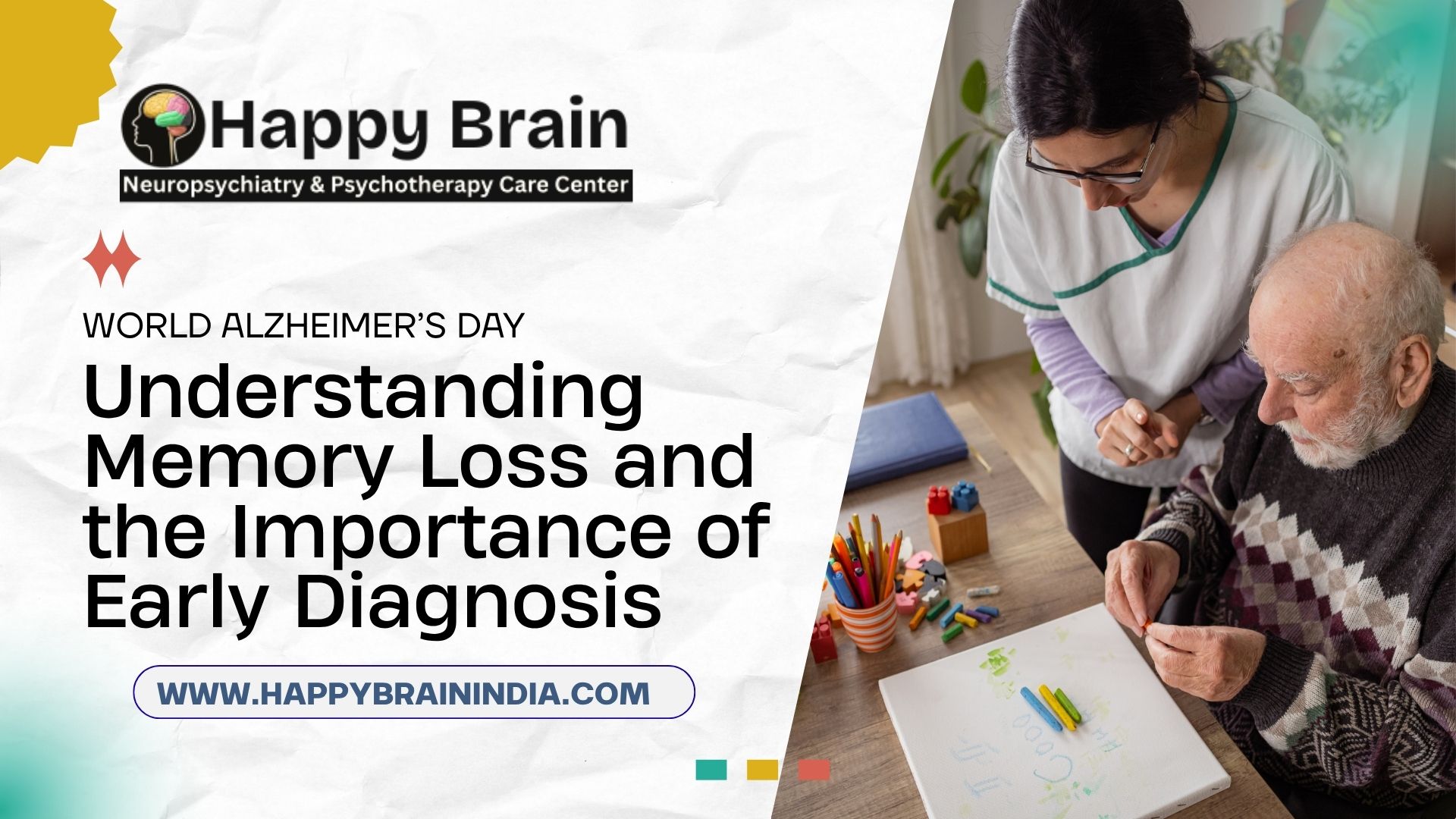
Every year on 21 September, World Alzheimer’s Day raises awareness about Alzheimer’s disease and other forms of dementia. The day encourages people to understand memory-related conditions, challenge stigma, and support individuals and families affected by cognitive decline. It is an opportunity to promote early diagnosis, compassionate care, and greater awareness of brain health.
At Happy Brain India, we believe that understanding the mind requires a comprehensive approach that considers memory, behaviour, emotions, and everyday functioning.
Alzheimer’s disease is a progressive brain disorder and the most common cause of dementia. It affects memory, thinking, communication, and behaviour, gradually making everyday activities more difficult.
Dementia is not a normal part of ageing. Although occasional forgetfulness can happen as people grow older, persistent changes that interfere with daily life deserve professional evaluation.
Recognising changes early can help individuals and families seek appropriate medical guidance.
Common warning signs include:
Frequently forgetting recently learned information.
Repeating questions or conversations.
Getting confused in familiar places.
Difficulty managing familiar tasks or solving problems.
Struggling to find the right words during conversations.
Changes in mood, personality, or social engagement.
These symptoms do not automatically mean someone has Alzheimer’s. Other conditions, including medication side effects and vitamin deficiencies, may also cause memory difficulties. A professional evaluation is important to identify the underlying cause.
Early assessment can help individuals and families understand what is happening and explore suitable care options. It also provides more time to discuss future preferences, organise support, and make informed decisions.
A comprehensive Alzheimer’s evaluation may include medical history, neurological examination, cognitive testing, blood tests, and brain imaging when appropriate. No single memory test can independently confirm every case of Alzheimer’s disease.
Although no lifestyle approach guarantees prevention, healthy habits may support brain health and overall well-being.
Consider incorporating these habits into daily life:
Stay physically active, according to your abilities.
Eat a balanced and nutritious diet.
Maintain regular sleep routines.
Engage in mentally stimulating activities.
Stay socially connected with family and friends.
Manage existing health conditions with professional guidance.
These habits support general health, but they are not a substitute for medical assessment when memory changes occur.
Alzheimer’s disease affects not only the person diagnosed but also their family members and caregivers. Patience, understanding, predictable routines, and emotional support can help make everyday life more manageable.
Caregivers should also make time for their own physical and emotional well-being. Seeking guidance from healthcare professionals and connecting with support networks can help families navigate changing care needs.
This World Alzheimer’s Day, let us replace stigma with understanding and uncertainty with informed action. Persistent memory changes deserve attention, not dismissal. Early evaluation, personalised care, and compassionate family support can help people living with Alzheimer’s maintain dignity and quality of life.
Happy Brain India – Modern, Comprehensive Mental-Health Care
If you or a loved one is experiencing persistent memory difficulties, seek professional medical advice.
A practical guide to UK-facing casinos that still accept Mifinity deposits and withdrawals in 2026, with a comparison table, bonus terms, and payment alternatives. read the full guide to Mifinity casinos in the UK
A pragmatic guide to using Monzo at UK online casinos in 2026. We cover which real brands accept Monzo debit deposits and withdrawals, alternatives, fees, GamStop status, and the fine print behind casino bonuses. read the full guide to casinos that accept Monzo UK 2026
A practical guide to UK online casinos that still accept MuchBetter deposits and withdrawals in 2026, with a tested list of operators, fee behaviour, and what to watch for. read the full MuchBetter casinos UK guide
A practical 2026 guide to UKGC-licensed casinos that still accept Neosurf deposits. Compare bonus types, withdrawal reality, and the pros and cons of prepaid vouchers. read the full guide to UK Neosurf casinos
A practical guide to UK-licensed online casinos that still accept Neteller deposits and withdrawals in 2026, with a verified operator list, bonus terms, and payment comparisons. read the full Neteller casinos UK guide
A practical guide to UK casinos offering Trustly instant banking, often confused with Pay N Play. We cover the regulatory reality, top operators, bonus types, and safer alternatives. read the guide to pay n play casinos in the uk
Find the best UK online casinos that accept PayPal in 2026. Compare verified brands, bonuses, withdrawal speeds, and alternatives in this complete guide. read the full PayPal casinos UK guide
POLi is an Australian payment method, not a UK one. This guide explains why no UKGC casino accepts it, lists offshore casinos that still support POLi for Australian accounts, and gives UK players better alternatives for instant deposits. read the full guide to casinos that accept POLi UK 2026
A practical guide to UK online casinos that accept Revolut deposits and withdrawals in 2026. Compare trusted operators, bonus terms, and mobile options. read the complete guide to casinos that accept Revolut UK 2026
A no-nonsense guide to UK-facing casinos that still accept Ripple XRP in 2026, with a ranked comparison table, bonus types, withdrawal speeds, and the legal grey areas you need to know. read the XRP casino guide