
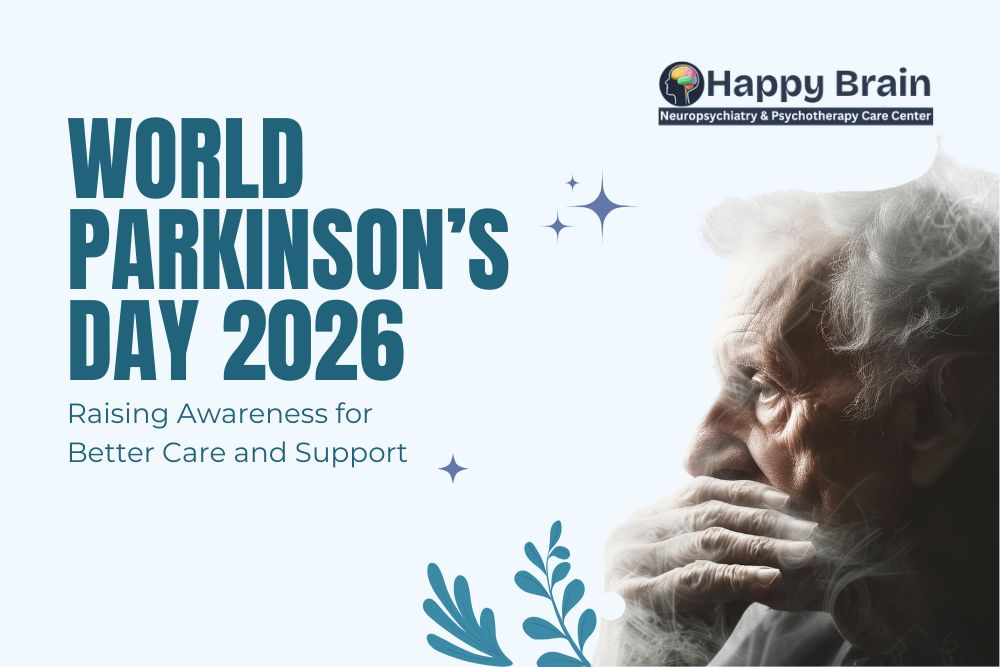
World Parkinson’s Day, observed every year on April 11, is dedicated to raising awareness about Parkinson’s disease and supporting individuals and families affected by it. This day highlights the importance of early diagnosis, proper treatment, and compassionate care for those living with this progressive neurological condition.
Parkinson’s disease primarily affects movement and occurs due to the gradual loss of dopamine-producing cells in the brain. Dopamine is a chemical that plays a crucial role in controlling movement and coordination. As its levels decrease, individuals may experience a range of physical and non-motor symptoms that impact daily life.
The symptoms of Parkinson’s disease often develop gradually and may vary from person to person. Common signs include:
In addition to physical symptoms, many individuals also experience non-motor challenges such as depression, anxiety, sleep disturbances, and cognitive changes. These symptoms can significantly affect emotional well-being and quality of life.
Early recognition of symptoms plays a key role in managing Parkinson’s disease effectively. Although there is currently no cure, timely intervention can help control symptoms, slow progression, and improve overall functioning. Consulting a qualified neurologist or neuropsychiatrist at the first signs of concern can lead to better outcomes.
Managing Parkinson’s disease requires a comprehensive and personalized approach. Treatment may include:
Lifestyle changes such as regular exercise, a balanced diet, and maintaining social connections also play a crucial role in improving quality of life.
Living with a chronic condition like Parkinson’s can be emotionally challenging. Anxiety, depression, and frustration are common among patients and caregivers. Providing mental health support through counseling and therapy is essential in helping individuals cope with these challenges and maintain a positive outlook.
One of the main goals of World Parkinson’s Day is to reduce stigma and increase public understanding. Many people are unaware of the early signs or misunderstand the condition, leading to delayed diagnosis and treatment. Awareness campaigns help educate communities, encourage early help-seeking, and promote empathy.
World Parkinson’s Day 2026 serves as a reminder that awareness, early intervention, and compassionate care can make a meaningful difference in the lives of those affected by Parkinson’s disease. While the journey may be challenging, proper medical care, emotional support, and community awareness can empower individuals to live with dignity and strength.
Let us come together to spread knowledge, support those in need, and work toward a future where better treatments and improved quality of life are accessible to all. 💙